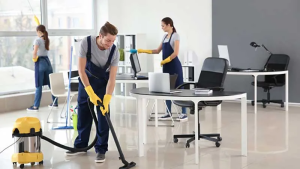
Why Post-Renovation Cleaning Cannot Be Skipped
Completing a renovation for your commercial space in Singapore is an exciting milestone. Whether you have fitted out a new office in one-north, refreshed a retail unit along Orchard Road, or renovated an F&B outlet in Tiong Bahru, the final step before moving in is thorough post-renovation cleaning. This is not something your regular cleaning crew can handle with standard equipment.
Renovation work generates enormous amounts of fine dust, debris, chemical residues, and airborne contaminants that settle on every surface — including areas you cannot easily see. Without professional post-renovation cleaning, you risk exposing employees and customers to health hazards and presenting a space that looks unfinished despite the investment.
What Renovation Work Leaves Behind
Even the most careful contractors leave behind a significant amount of mess. Understanding what needs to be addressed helps you appreciate why professional commercial cleaning is essential after renovation.
Construction Dust
Hacking, drilling, sanding, and plastering generate fine particles that travel through the entire space. This dust settles on floors, walls, ceilings, light fixtures, inside cabinets, behind built-in furniture, within air-conditioning ducts, and on every horizontal surface. Fine construction dust can remain airborne for days after work is completed, posing respiratory risks.
Chemical Residues
Paints, varnishes, adhesives, sealants, and waterproofing compounds release volatile organic compounds (VOCs) that linger in enclosed spaces. In Singapore’s climate, where buildings are sealed and air-conditioned, these chemicals do not dissipate quickly. Professional cleaning includes surface treatment to remove chemical residue and reduce VOC levels.
Debris and Construction Materials
Screws, nails, wood shavings, tile chips, cement fragments, and packaging materials are commonly left behind. These pose physical safety hazards and need to be thoroughly removed before the space can be safely occupied.
Stains and Marks
Paint drips on floors, adhesive marks on glass, cement splashes on walls, and scuff marks from equipment are standard aftermath of any renovation. Removing these without damaging the new finishes requires appropriate cleaning agents and techniques.
The Post-Renovation Cleaning Process
A thorough post-renovation clean typically follows a structured multi-phase approach:
Phase 1: Rough Cleaning
The first phase focuses on removing large debris, construction waste, and visible dust. This includes sweeping, clearing packaging materials, removing protective coverings from fixtures, and doing an initial vacuuming of all floor areas. Industrial-grade vacuum cleaners with HEPA filters are used to capture fine dust particles that standard vacuums would simply recirculate.
Phase 2: Detailed Cleaning
Once the major debris is cleared, the detailed cleaning phase addresses every surface in the space:
- Wiping down all walls, ceilings, and built-in fixtures
- Cleaning inside all cabinets, drawers, and storage areas
- Removing paint spots, adhesive residue, and cement marks from floors, windows, and fittings
- Deep cleaning all glass surfaces, mirrors, and window frames
- Cleaning light fixtures, switches, and electrical outlets
- Sanitising all washroom fixtures and fittings
- Degreasing kitchen or pantry areas if applicable
Phase 3: Final Inspection and Touch-Up
The final phase involves a walkthrough inspection to identify any missed areas or remaining marks. Touch-up cleaning is performed as needed to ensure the space meets move-in standards. This is also when floors receive their final treatment — mopping, polishing, or buffing depending on the floor type.
Indoor Air Quality After Renovation
One of the most overlooked aspects of post-renovation preparation is indoor air quality. Singapore’s Building and Construction Authority (BCA) guidelines emphasise the importance of good indoor air quality in commercial buildings. After renovation, the air inside your space may contain elevated levels of:
- Fine particulate matter from construction dust
- VOCs from paints, adhesives, and new furnishings
- Formaldehyde from certain building materials and furniture
Professional post-renovation cleaning includes air-conditioning duct cleaning and may involve air purification measures to reduce these contaminants before staff begin occupying the space.
Ventilation Considerations
Where possible, running the ventilation system with fresh air intake for several days after cleaning helps flush out remaining airborne contaminants. Your cleaning provider can advise on the optimal approach based on your space layout and air-conditioning system.
Timeline: When to Schedule Post-Renovation Cleaning
Timing your post-renovation clean correctly is crucial for staying on schedule with your move-in plans. Consider the following timeline:
- After all construction work is complete: Do not begin cleaning until all contractors have finished, including electricians, plumbers, and painters. Cleaning before completion means the work will need to be redone.
- Allow 1-3 days for cleaning: A standard office space may require one to two days of professional cleaning. Larger or more complex spaces, such as F&B outlets or medical clinics, may need three days or more.
- Buffer time before move-in: Schedule at least one day between the completion of cleaning and your move-in date. This allows time for final ventilation, air quality checks, and any touch-up cleaning that may be needed.
Choosing a Post-Renovation Cleaning Provider
Not every cleaning company is equipped for post-renovation work. When selecting a provider, look for:
- Experience with commercial renovations: A provider who regularly handles post-renovation cleaning will have the right equipment, chemicals, and trained staff.
- HEPA-grade equipment: Standard vacuums cannot handle fine construction dust. HEPA-filter equipment is essential for effective dust removal.
- Surface-specific expertise: Different finishes — marble, vinyl, timber, glass — require different cleaning approaches. The wrong product can permanently damage new surfaces.
- Comprehensive scope: Ensure the provider covers everything from floor to ceiling, including inside cabinets, ductwork, and hidden areas.
Make Your Renovated Space Move-In Ready
A professional post-renovation clean is the essential final step that transforms your construction site into a polished, safe, and welcoming commercial space. Do not compromise on this step — the health of your staff and the impression you make on clients depend on it.
Planning a move into a newly renovated space? Contact J & S Management Pte Ltd to schedule your post-renovation cleaning and ensure your space is truly business-ready.