Workplace Safety Starts With Cleanliness
In Singapore, workplace safety is governed by the Workplace Safety and Health (WSH) Act, which places legal obligations on employers to ensure safe working conditions for all employees, contractors, and visitors. While many businesses focus on safety training, equipment maintenance, and emergency procedures, one of the most fundamental elements of workplace safety is often underestimated: cleanliness.
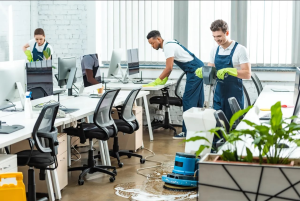
Poor housekeeping is a leading contributor to workplace accidents. Wet floors cause slips, cluttered walkways lead to trips, and accumulated dust creates respiratory hazards. Professional commercial cleaning is not just about maintaining appearances — it is a critical component of your workplace safety strategy.
Understanding the WSH Act and Employer Obligations
The WSH Act, administered by the Ministry of Manpower (MOM), requires every employer in Singapore to take reasonably practicable measures to ensure the safety and health of persons at work. This includes maintaining the workplace in a safe and hygienic condition.
Key Obligations Related to Cleanliness
Under the WSH Act and its subsidiary legislation, employers must:
- Maintain floors, stairs, and walkways in a clean, dry, and obstruction-free condition
- Ensure adequate ventilation and air quality in enclosed workspaces
- Provide clean and functional sanitary facilities
- Manage waste disposal properly to prevent health hazards
- Prevent the accumulation of flammable materials, dust, and debris
- Address spills and contamination promptly
Non-compliance can result in fines, stop-work orders, and even criminal prosecution in cases of serious negligence. For businesses operating across multiple sites in Singapore, maintaining consistent cleanliness standards is both a legal requirement and a practical challenge.
Common Safety Hazards Linked to Poor Cleaning
Many workplace incidents that appear unrelated to cleaning are, in fact, directly caused by inadequate housekeeping. Understanding these connections helps businesses prioritise cleaning as a safety measure.
Slip, Trip, and Fall Hazards
Slip, trip, and fall incidents remain among the most common workplace accidents in Singapore. Contributing factors include:
- Wet or recently mopped floors without warning signage
- Spills that are not cleaned up promptly
- Cluttered corridors, stairwells, and emergency exits
- Loose floor mats or cables across walkways
- Accumulated grease on kitchen or workshop floors
A systematic cleaning programme addresses these hazards through scheduled floor maintenance, immediate spill response protocols, and regular inspections of walkways and common areas.
Fire Safety Risks
Accumulation of combustible materials, including paper waste, packaging, oily rags, and dust, increases fire risk. In industrial settings, grease buildup on exhaust systems is a well-known fire hazard. The Singapore Civil Defence Force (SCDF) requires businesses to maintain fire safety standards, and poor housekeeping is a common cause of fire safety violations.
Respiratory and Health Hazards
Dust accumulation, mould growth, and poor air quality contribute to respiratory problems among employees. In Singapore’s humid climate, mould can develop rapidly in poorly ventilated areas, behind wall panels, and within air-conditioning systems. Regular cleaning and maintenance of ventilation systems are essential preventive measures.
Chemical Exposure
Workplaces that use or store chemicals must maintain clean and organised storage areas. Spillage, improper labelling, and mixing of incompatible chemicals due to poor housekeeping can lead to dangerous exposures. Professional cleaning teams trained in chemical safety understand how to clean around hazardous substances without creating additional risks.
How Professional Cleaning Supports WSH Compliance
Engaging a professional commercial cleaning service helps businesses meet their WSH Act obligations in several ways:
- Documented cleaning schedules: Professional providers maintain cleaning logs and schedules that serve as evidence of compliance during inspections or audits.
- Trained personnel: Commercial cleaning staff are trained in safe cleaning practices, proper use of chemicals, and hazard identification.
- Risk-based cleaning plans: Professional providers develop cleaning plans based on a risk assessment of your premises, prioritising high-risk areas.
- Consistent standards: Regular professional cleaning ensures that safety-critical areas are maintained to a consistent standard, regardless of staff turnover or internal resource constraints.
- Incident prevention: Proactive cleaning addresses hazards before they cause incidents, reducing the likelihood of workplace injuries and the associated costs.
Liability and Insurance Implications
Workplace accidents carry significant financial and legal consequences for Singapore businesses. Beyond regulatory fines, employers face:
- Work injury compensation claims: Under the Work Injury Compensation Act (WICA), employers must compensate employees for workplace injuries. Poor housekeeping that contributes to an accident can increase liability.
- Civil liability: Injured parties may pursue civil claims for negligence if it can be demonstrated that the employer failed to maintain safe premises.
- Increased insurance premiums: A history of workplace accidents can lead to higher insurance premiums for your business.
- Reputational damage: Workplace safety incidents can harm your company’s reputation, affecting recruitment, client relationships, and business opportunities.
Maintaining a professional cleaning programme demonstrates due diligence and can be cited as evidence that the business took reasonable steps to prevent hazards.
Building a Safety-Focused Cleaning Programme
To maximise the safety benefits of your cleaning programme, consider the following approach:
- Conduct a workplace safety audit that identifies cleaning-related hazards
- Develop a cleaning plan that addresses identified risks with appropriate frequency and methods
- Ensure cleaning staff are trained in relevant safety protocols, including use of PPE and chemical handling
- Maintain detailed cleaning records for compliance documentation
- Schedule regular reviews of the cleaning programme to adapt to changes in your operations or premises
Strengthen Your Workplace Safety With Professional Cleaning
Compliance with the WSH Act is not optional, and cleanliness is a foundational element of workplace safety. Partnering with a professional cleaning provider ensures your premises meet regulatory standards while protecting your employees and your business from the consequences of safety incidents.
Want to ensure your workplace meets safety and hygiene standards? Reach out to J & S Management Pte Ltd for a workplace cleaning assessment and tailored compliance-focused cleaning programme.